Jackpot Lottery Winner
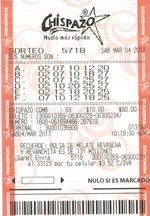
"I played the recommendation... and I won the first prize!"
See the winning lottery tickets of magayo Lotto users
I resisted this idea for longer than I should have. Most people do.
There is a specific kind of frustration that comes from losing at something you genuinely believe you are approaching sensibly. I had been playing lottery numbers for the better part of a year, tracking draws, switching numbers occasionally, telling myself I was being strategic about it. A friend of mine had been doing well at betting for a couple of years by then, and had developed this habit of reducing everything I said about my numbers down to two words. Expected value. I kept changing the subject. Eventually, after a particularly grim few weeks, I stopped changing the subject and actually listened. I wish I had done it sooner.
Expected value is not a complicated idea once someone strips the jargon out of it. It is simply what you can expect to get back on average for every unit you put in. Not what you hope for. Not the best case scenario you have quietly rehearsed. The actual average, across every possible outcome, each one weighted by how likely it really is to happen. Run those numbers on most lottery tickets and you will find the expected return sits noticeably below what you paid. That gap is not an accident. It is how the game sustains itself. Knowing that does not ruin the fun. Knowing that and ignoring it is what gets expensive.
What surprised me was how naturally the same idea maps onto betting. The odds offered on any event imply a probability. If the real probability of something happening is higher than what the odds suggest, you have found value. If it is lower, you are handing money across the counter with a smile. Serious bettors are not tipping machines. They are people hunting for the gap between implied probability and actual probability, over and over, knowing that the edge compounds across enough decisions. It sounds clinical. In practice it requires a level of patience that most people, myself included, find genuinely difficult.
"I played the recommendation... and I won the first prize!"
See the winning lottery tickets of magayo Lotto users
Here is the uncomfortable bit. Most of us are terrible at this intuitively. We remember wins vividly and process losses quickly. We see patterns in randomness because our brains are built to find patterns, whether they are there or not. We convince ourselves that a number which has not appeared in forty draws is somehow overdue, which is not how independent probability events work at all, but which feels completely logical at the moment. I have done all of these things. I suspect most lottery players have, even the analytical ones who would wince reading that back.
Understanding expected value does not cure any of this entirely. What it does is give you something to check yourself against. When you feel the pull of a gut decision, having a framework that asks whether the numbers actually support it is genuinely useful. Not infallible. Useful. That distinction matters because no system, in lottery play or in betting, removes uncertainty. The ones that claim otherwise are selling something.
The thing my friend said that stuck with me most was this. People who already analyse lottery data, who study frequency charts and track historical results, are thinking in expected value terms whether they realise it or not. They are asking which outcomes are underpriced by the field. They are building a model of probability and acting on it. That is not a million miles from what disciplined betting looks like when it is done properly.
Giving that instinct a name and a framework does not transform it into a guaranteed edge. Nothing does that. But it does make the decision-making more deliberate, and in games built on probability, deliberateness tends to beat impulsiveness over time. That much I have learned, admittedly the slow way.
See the winning lottery tickets of magayo Lotto users
See the awards for magayo Lotto software
Download magayo Lotto software
magayo Lotto software is FREE. It is also digitally signed and 100% safe & clean.