Jackpot Lottery Winner
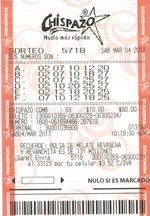
"I played the recommendation... and I won the first prize!"
See the winning lottery tickets of magayo Lotto users
Starting poker online looks simple, but the first game choice quietly shapes how fast a beginner improves or burns out. Many new players jump into the most visible formats without understanding how structure, variance, and learning speed differ between games. In modern online poker rooms, these differences directly affect bankroll stability and confidence. Picking the right starting format is less about excitement and more about creating a controlled learning environment where players can build solid habits over time.
For most beginners, success depends less on natural talent and more on choosing games with manageable variance and a slower learning curve. Cash games often help new players focus on decision-making without tournament pressure, while Sit and Go events introduce important concepts like stack management and late-stage strategy. The overall platform experience also matters, since table speed, software quality, and available learning tools can strongly influence early results. Many of the best online poker sites now design beginner-friendly environments specifically to reduce confusion and support gradual improvement.
"I played the recommendation... and I won the first prize!"
See the winning lottery tickets of magayo Lotto users
Most beginners lose not because they play badly, but because they start in formats that punish mistakes too quickly. High variance games create emotional swings that make learning inconsistent and frustrating. This often leads players to chase losses instead of building fundamentals.
In online poker rooms, this problem is amplified by fast tables, aggressive opponents, and unfamiliar tools. A poor initial choice can turn poker into a guessing game instead of a skill-based process.
A beginner friendly poker game limits damage from mistakes while offering clear feedback. The goal is not fast wins, but repeatable decision making. Games that allow reflection and pattern recognition are far more effective early on.
Key characteristics to look for include:
Skill Floor vs Skill Ceiling in Poker Games
The skill floor is how much knowledge you need to avoid losing quickly. Games with a low skill floor allow beginners to survive while learning basics like position and bet sizing. A high skill ceiling matters later, not at the start.
Holdem cash games at low stakes have a forgiving skill floor. More complex variants demand advanced hand reading too early.
Decision Frequency and Mental Load
Some formats force dozens of decisions per hour, increasing mental fatigue. Beginners benefit from slower decision cycles that allow thinking through ranges and odds. This reduces autopilot play and costly errors.
Fast formats overwhelm new players before concepts fully sink in. Learning suffers when decisions feel rushed.
Variance and Bankroll Pressure
Variance describes short term swings caused by luck. High variance games require larger bankrolls and emotional discipline. Beginners rarely have either.
Lower variance formats protect bankrolls and reduce tilt. This keeps players engaged long enough to actually improve.
Micro stakes No Limit Holdem cash games offer one of the most stable learning environments online. Blinds are low, mistakes are cheaper, and player pools are often softer. This makes them ideal for building fundamentals.
Cash games also allow players to quit anytime. That flexibility matters when managing focus and emotions.
Slower Learning Curve Compared to Tournaments
Unlike tournaments, cash games do not force escalating blinds. This keeps stack sizes deep and decisions consistent. Beginners can repeat similar spots and learn from patterns.
There is no pressure to survive a bubble or chase payouts. Learning stays process driven.
Easier Use of Poker Odds Calculators
Cash games pair well with study tools. Beginners can review hands using a poker odds calculator or poker probability calculator without tournament specific complications. These tools help connect theory with real hands.
Over time, players internalize odds instead of guessing. This builds confidence and discipline.
Table Selection and Player Pool Quality on Poker Sites
Not all tables are equal. Many poker sites offer table stats like average pot size or players seeing the flop. Beginners should seek looser tables with passive players.
Table Metric
Players seeing flop
Average pot size
Hands per hour
Why It Matters
Indicates loose play
Shows aggression level
Speed of decisions
Beginner Impact
Easier value betting
Fewer tough bluffs
More time to think
Pro tip: Avoid tables with many short stacks early on, as they reduce postflop learning opportunities.
Sit and Go tournaments offer structure without the chaos of large fields. They start when full and end quickly, making results easy to track. For beginners, they introduce tournament concepts gradually.
They also limit total risk per session. You know the maximum loss before registering.
Fixed Structure and Predictable Game Flow
SNGs follow a known blind schedule. This helps beginners plan stack sizes and adjust strategies logically. The predictable pace supports structured learning.
There are fewer surprises compared to multi table tournaments.
Early Exposure to Short Stack Play
Short stack play becomes unavoidable in SNGs. Beginners learn to push fold decisions earlier, which sharpens discipline. These skills transfer well to other formats later.
Used correctly, this teaches risk assessment under pressure.
Common Beginner Mistakes in Sit and Go Games
Typical errors include playing too tight early or too loose near the bubble. Awareness of these patterns speeds improvement.
Do
Play solid early ranges
Respect bubble dynamics
Track position carefully
Don’t
Chase marginal hands
Ignore stack sizes
Limp without a plan
Watch out: Overvaluing survival can cost more equity than smart aggression.
Omaha and fast fold formats look exciting but hide serious learning traps. They magnify variance and compress decision time. Beginners often misread hand strength and overcommit. These games reward experience more than fundamentals. Starting here slows real progress.
High Variance and Misleading Hand Strengths
In Omaha, strong looking hands often lose. Beginners struggle to adjust expectations. This leads to frustration and bankroll swings. Fast fold games multiply this effect by volume.
Limited Value of Equity Calculators for New Players
While poker equity calculators work in all games, beginners misapply them in complex variants. Too many combinations reduce practical usefulness early on. Simpler formats make tool use clearer.
Faster Formats Reduce Time for Decision Making
Fast fold poker removes table flow and opponent reads. Decisions become mechanical. Beginners lose context that supports learning.
Pro tip: If you feel rushed every hand, the format is working against you.
The best game choice still fails on the wrong platform. Poker site features directly affect learning efficiency. Software quality matters more than flashy bonuses. Look for environments that support review and controlled play.
Availability of Micro Stakes and Soft Tables
Not all poker sites offer true micro stakes. Beginners should verify buy-ins under $5 exist. This protects bankrolls and reduces pressure.
Soft tables accelerate confidence and skill growth.
Built In Poker Probability Calculators and Hand History Tools
Built in tools simplify study. Hand histories allow review, while integrated odds calculators reinforce math skills. External tools help, but native features save time
Quick win: Review one marked hand after each session instead of mass reviewing later.
Rake Structure and Beginner Friendly Promotions
High rake eats small bankrolls quickly. Beginners should favor sites with reduced micro stake rake. Simple deposit bonuses are fine, but gameplay value matters more. Always read promotion terms before opting in.
For most beginners, micro stakes No Limit Holdem cash games provide the best balance of learning speed, bankroll safety, and transferable skills. Sit and Go tournaments work well as a secondary format once basics are stable. More complex or faster games should wait until fundamentals feel automatic.
Step by step path for new players
Choosing the right first poker game turns early losses into structured lessons and sets the tone for long term growth.
See the winning lottery tickets of magayo Lotto users
See the awards for magayo Lotto software
Download magayo Lotto software
magayo Lotto software is FREE. It is also digitally signed and 100% safe & clean.